Engineering
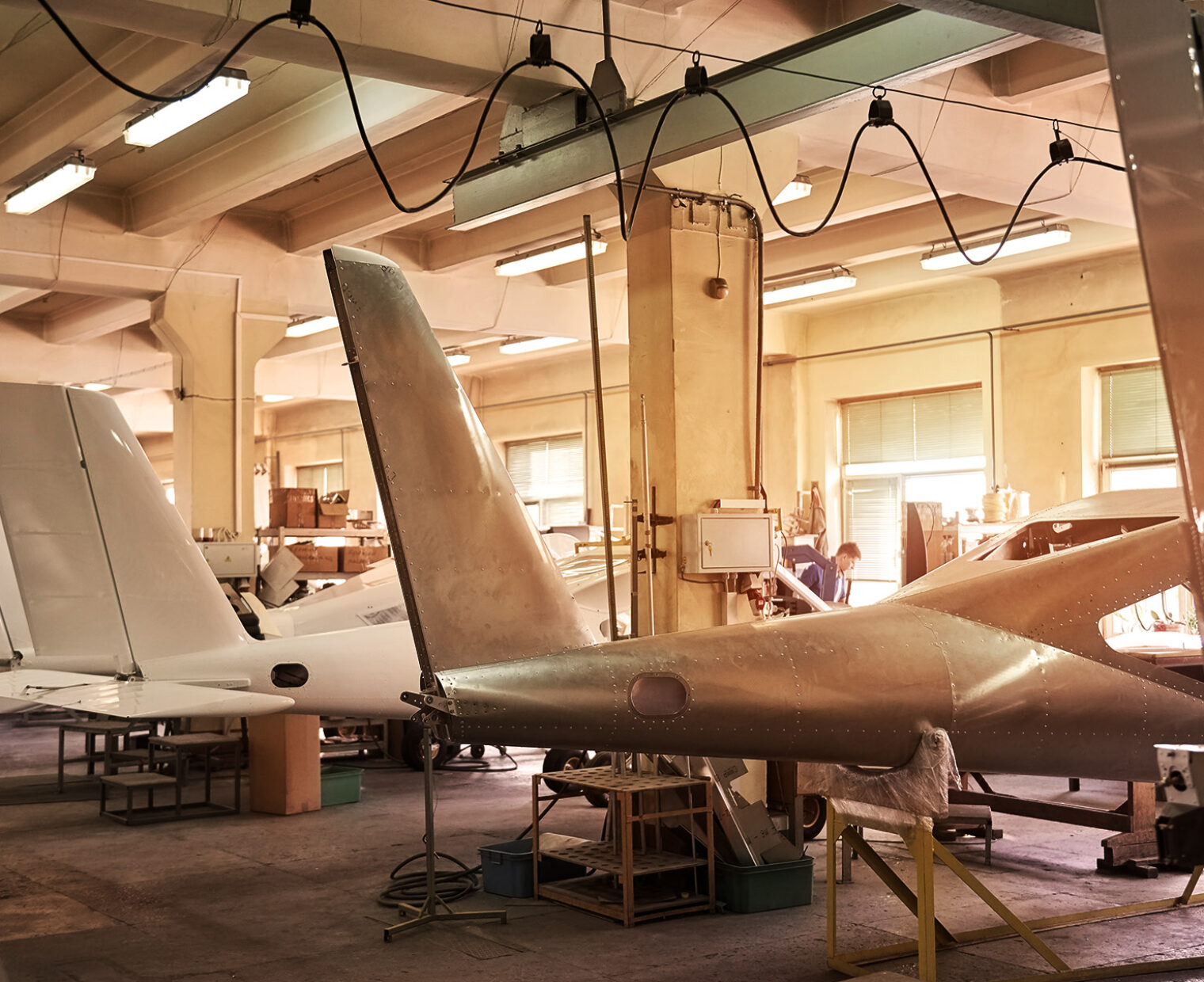
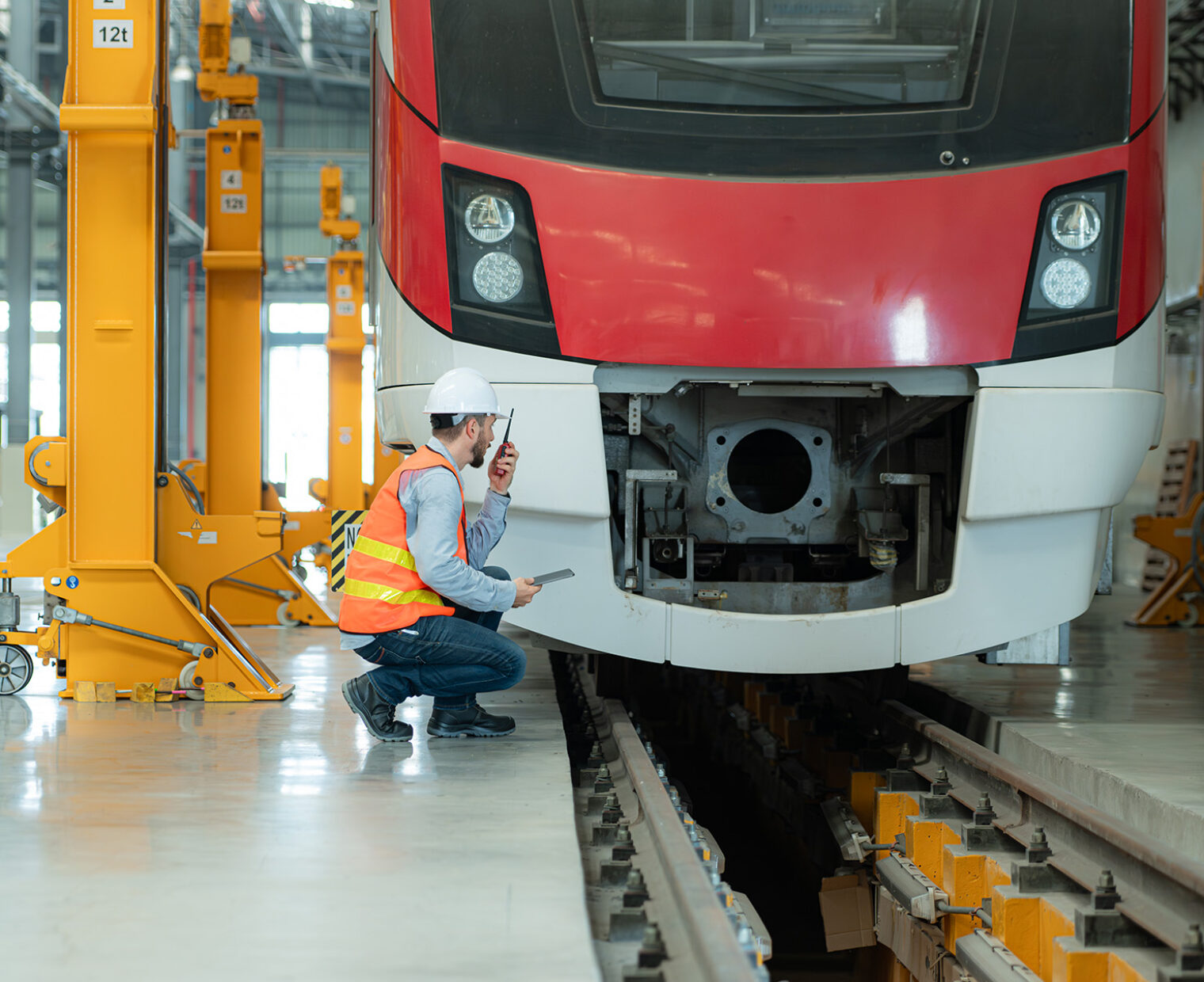
Indutch Engineering division forms the core of our innovation ecosystem. Our multidisciplinary engineering team combines deep composite knowledge, advanced CAD/CAE tools, and robust product development methodologies to convert ideas into high-performance, manufacturable solutions. From FEA to mould design, process development, and reverse engineering, we ensure every project meets global quality, safety, and performance standards.
Design & Engineering
Our Design & Engineering team specializes in end-to-end composite engineering, enabling seamless product development from concept to production.
These tools ensure precision modelling, smart assembly control, revision management, lifecycle traceability, and faster design cycles.
Manpower: 20+ skilled
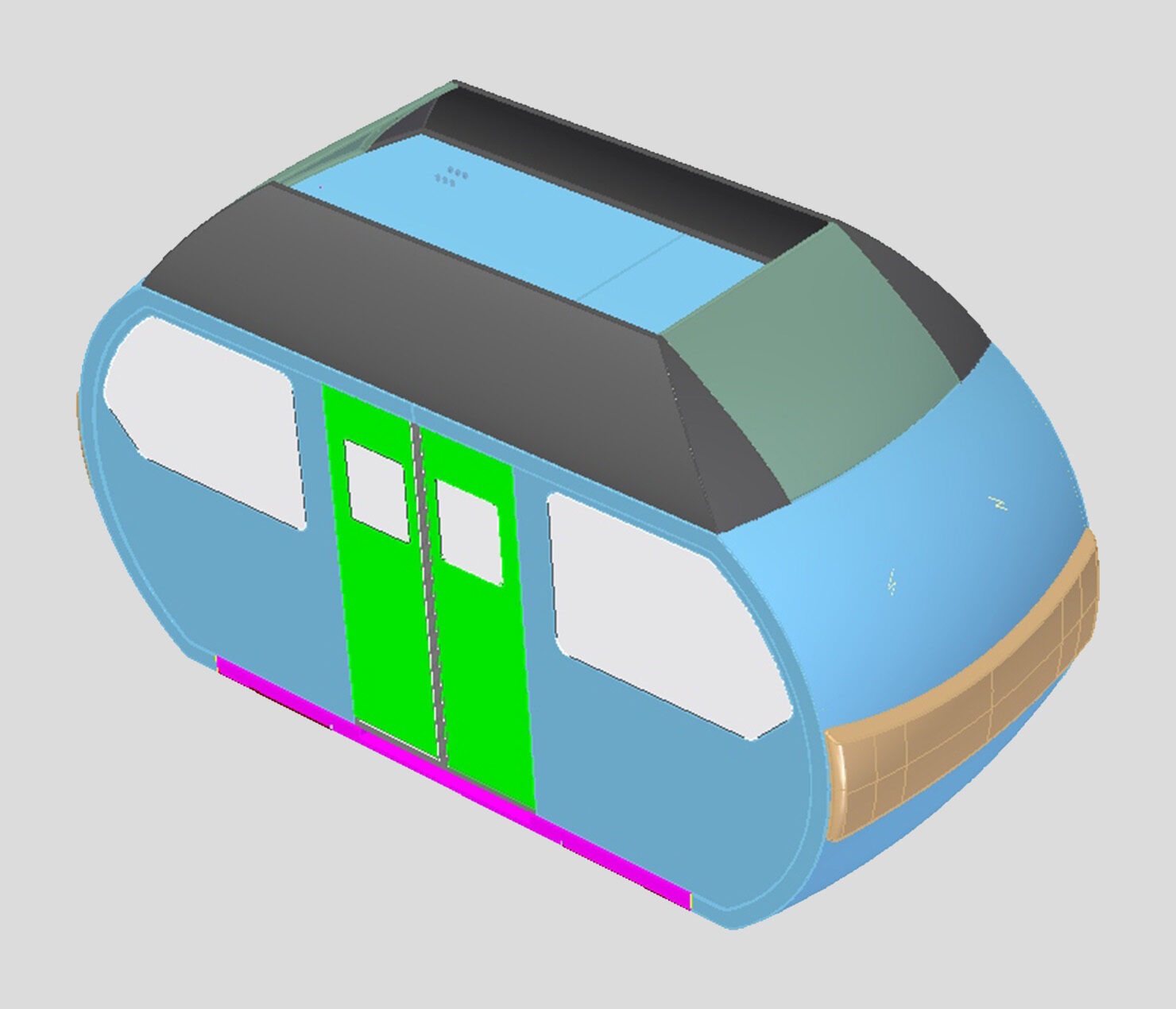
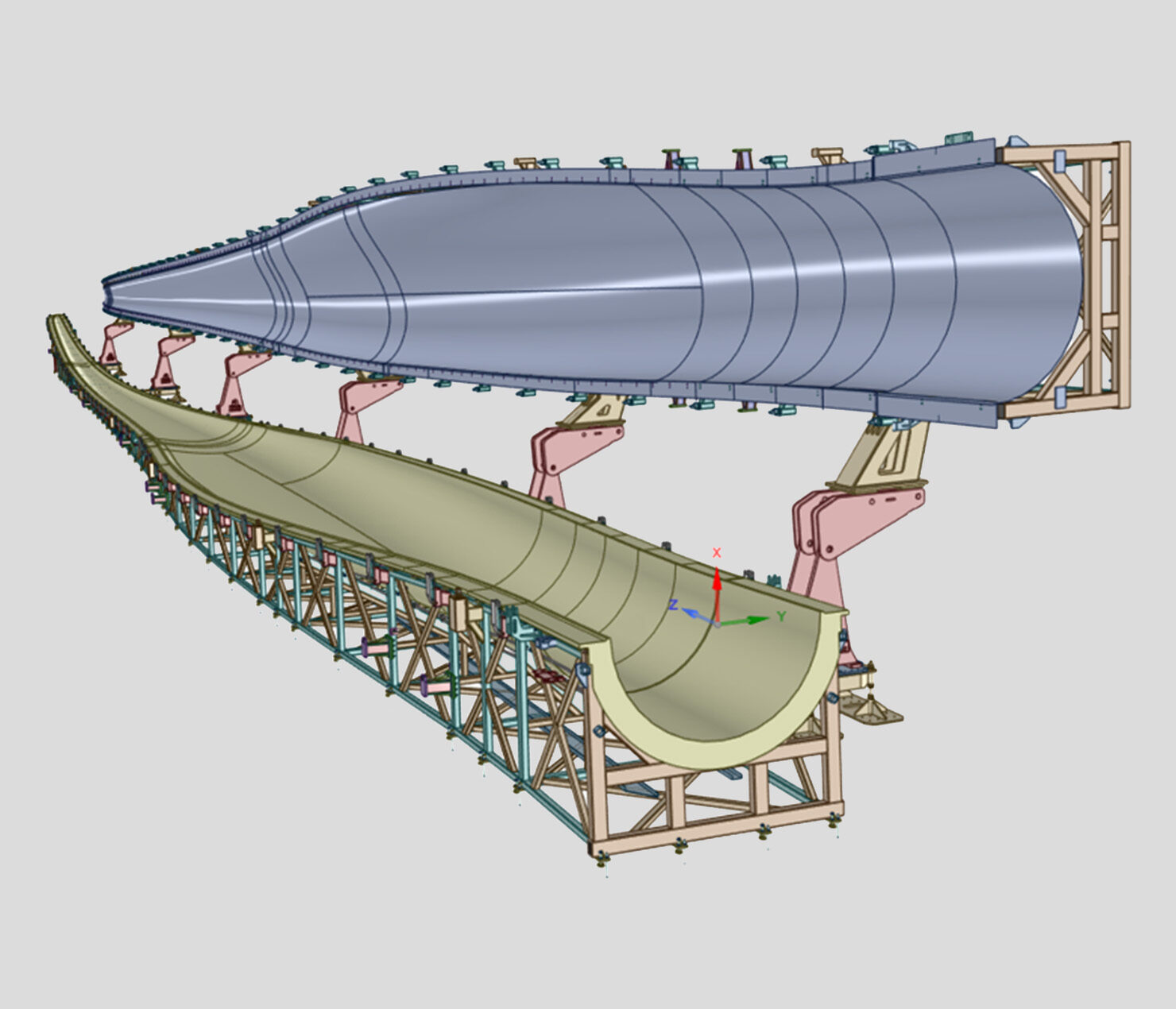
Composite Product & Mould Design
Optimized composite layup, laminate architecture, tooling design, and manufacturing feasibility analysis.
Design Failure Mode and Effects Analysis (DFMEA):
Systematic identification and mitigation of potential design risks to improve product reliability, performance, safety, and manufacturability throughout the development process.
Design for Manufacturability (DFM):
Optimization of product designs for efficient manufacturing, reduced production costs, improved quality, and streamlined assembly processes while ensuring compliance with performance requirements.
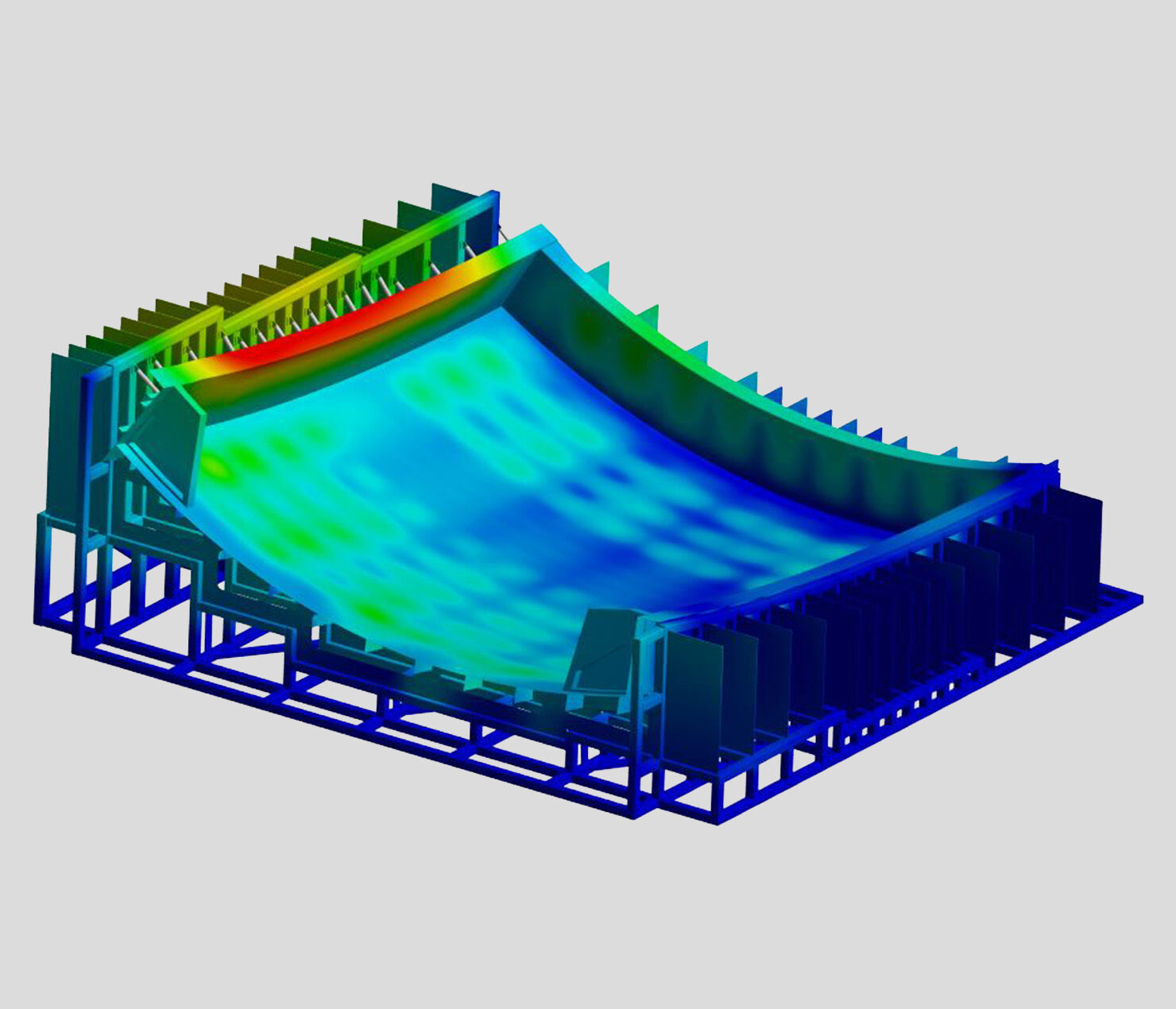
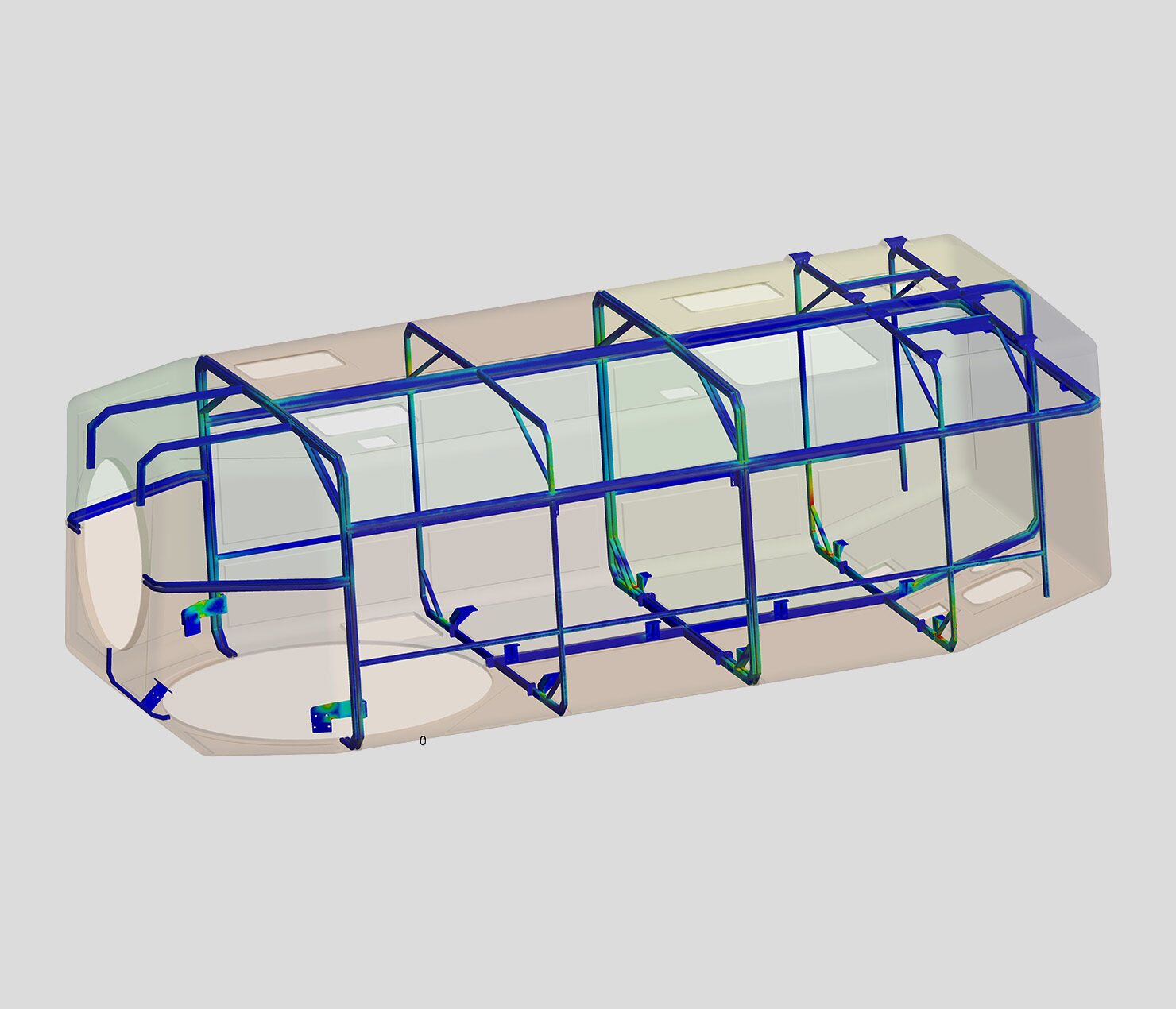
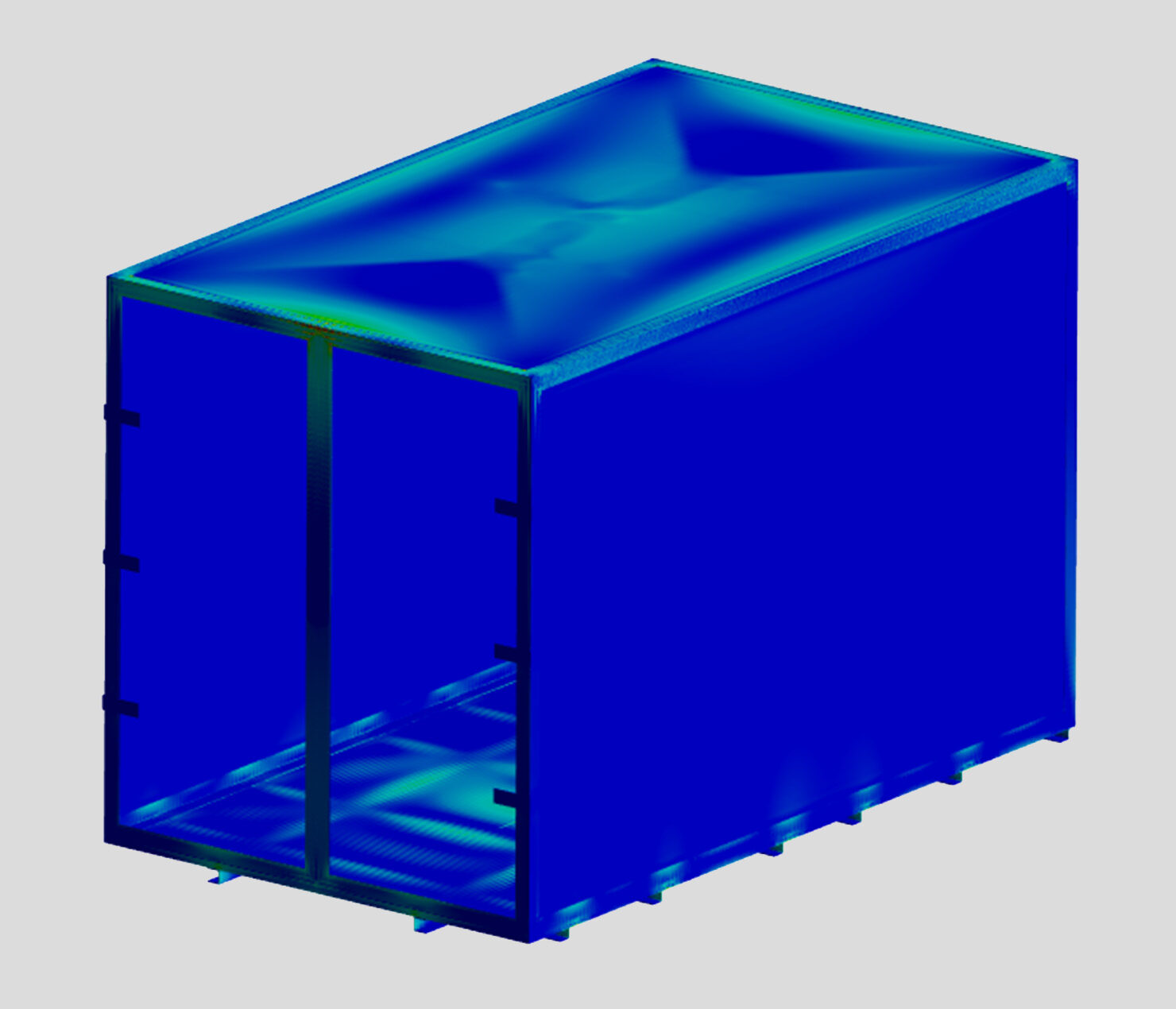
Finite Element Analysis (FEA):
Ansys 2023 R2 for Both Composites & Steel Structures, Thermal, Static & Fatigue.
Structural simulation, crash analysis, fatigue analysis, and load case validation for composite and hybrid structures.
Advanced CAD/CAE Software Expertise
Using industry-leading tools such as:
- Siemens NX
- Solid Edge
- Teamcenter PLM




NPD (New Product Development)
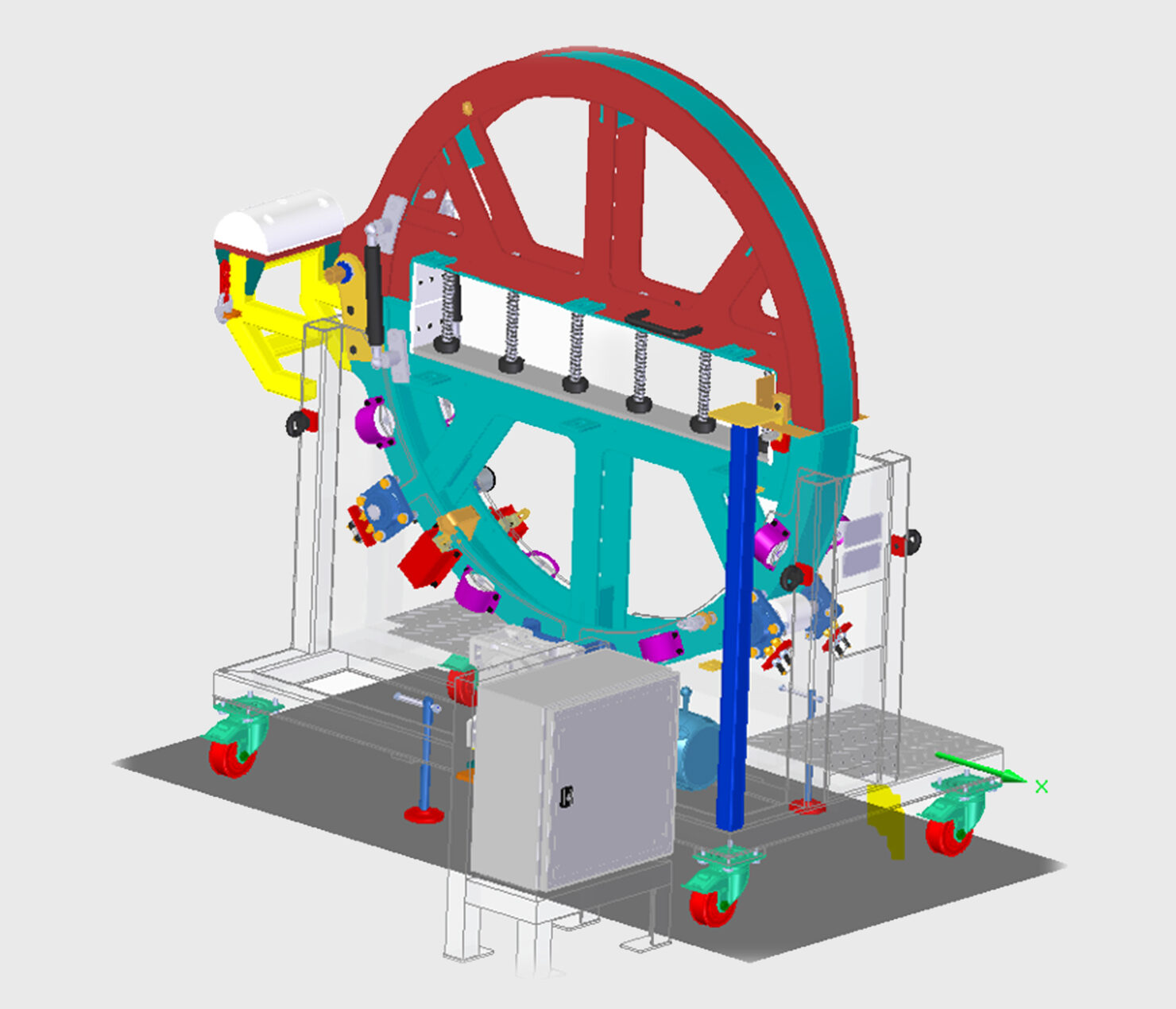
- Development of composite and metal tooling
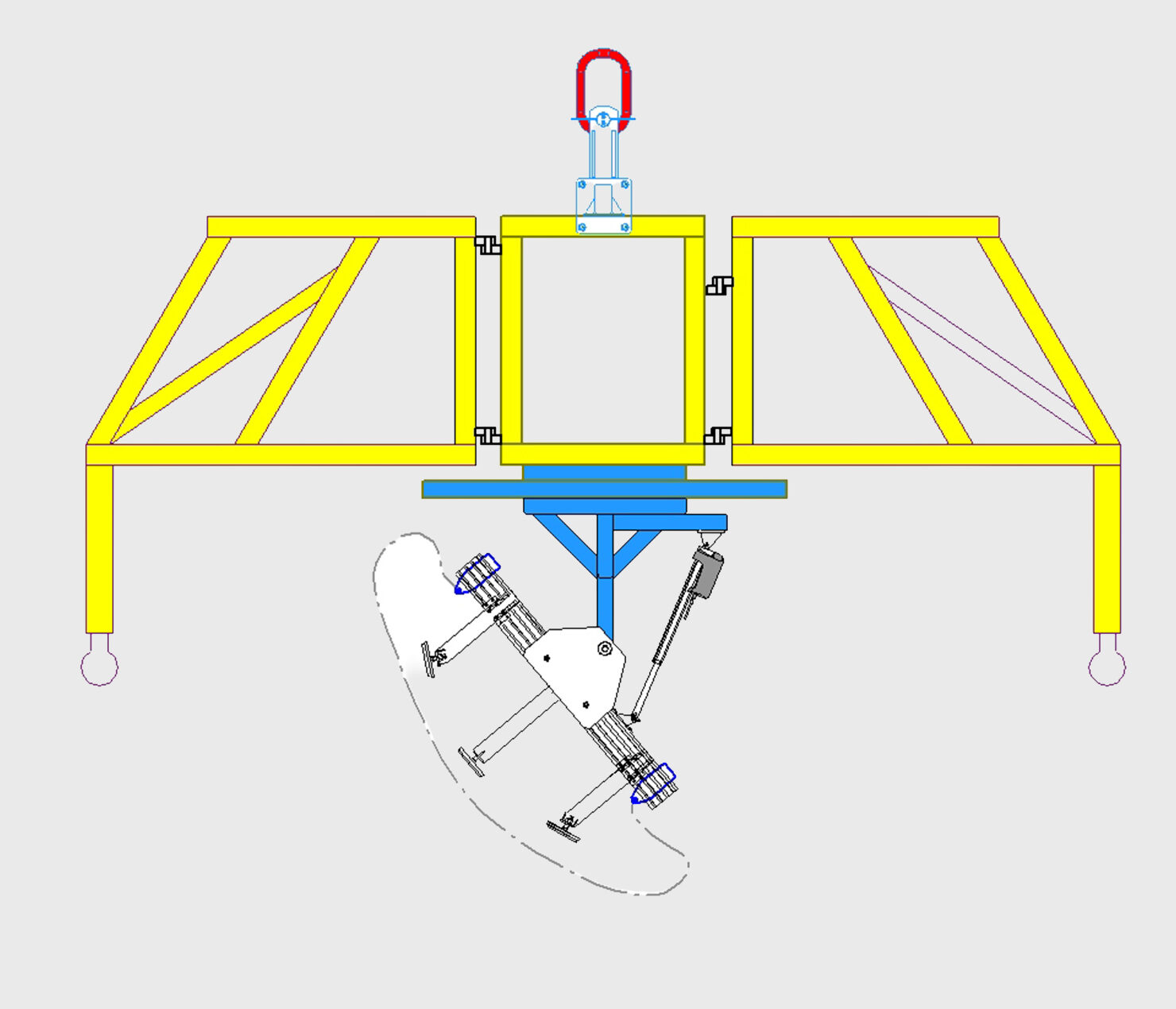
- In-house creation of custom hinges, mechanisms, and specialty components
- Intellectual property development including patents and proprietary technologies
- 4 patents published and 3 patents granted (Hinge Image)
- Rapid prototyping for full assemblies and subsystems
Method Engineering
Core Competencies
- Creation of detailed work instructions
- Definition of material movement & process flow
- Definition of material movement & process flow
- Ensuring robust repeatability in complex composite assemblies
- PFMEA (Process Failure Mode and Effects Analysis): Proactive identification and mitigation of manufacturing process risks


Reverse Engineering
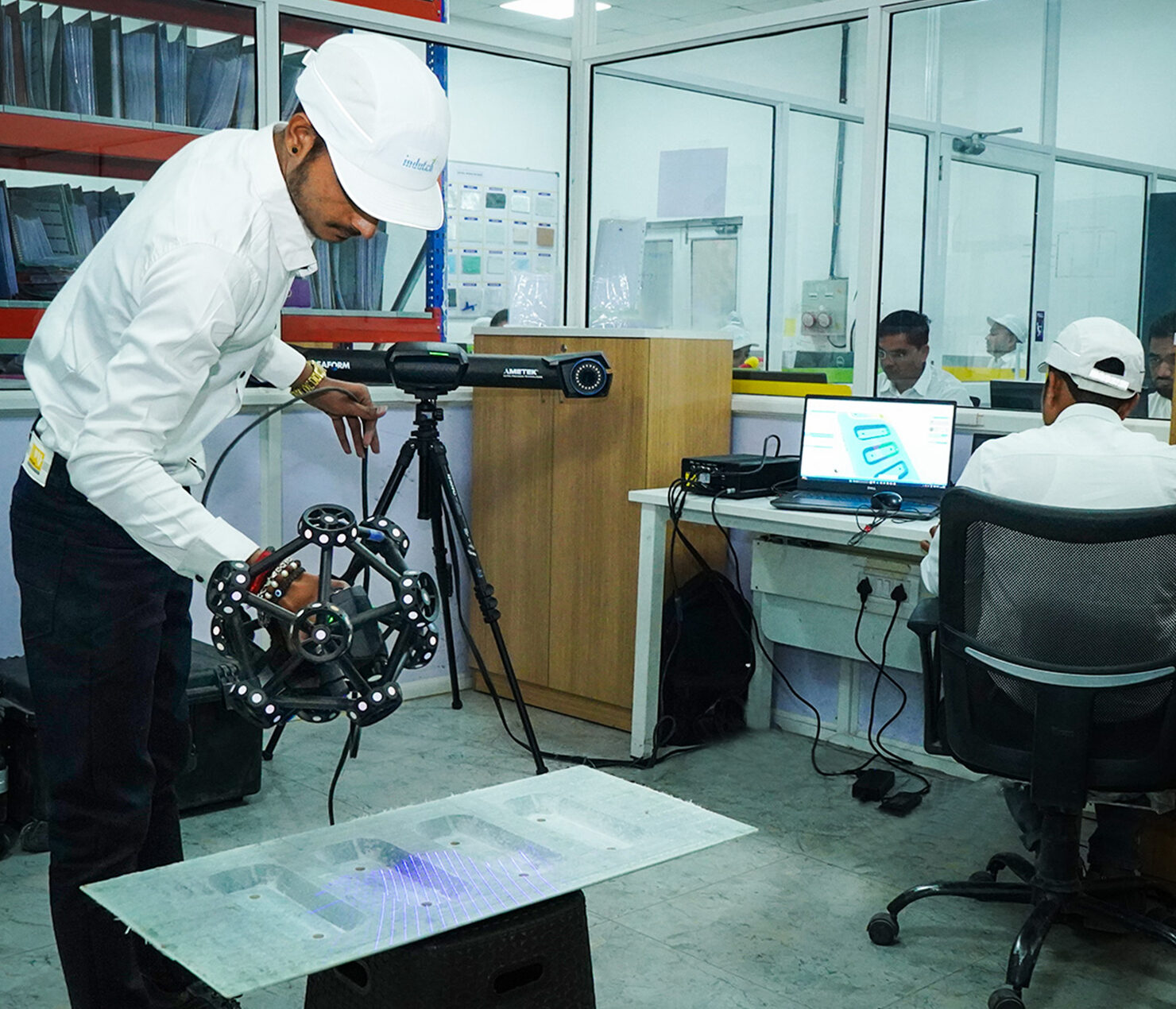
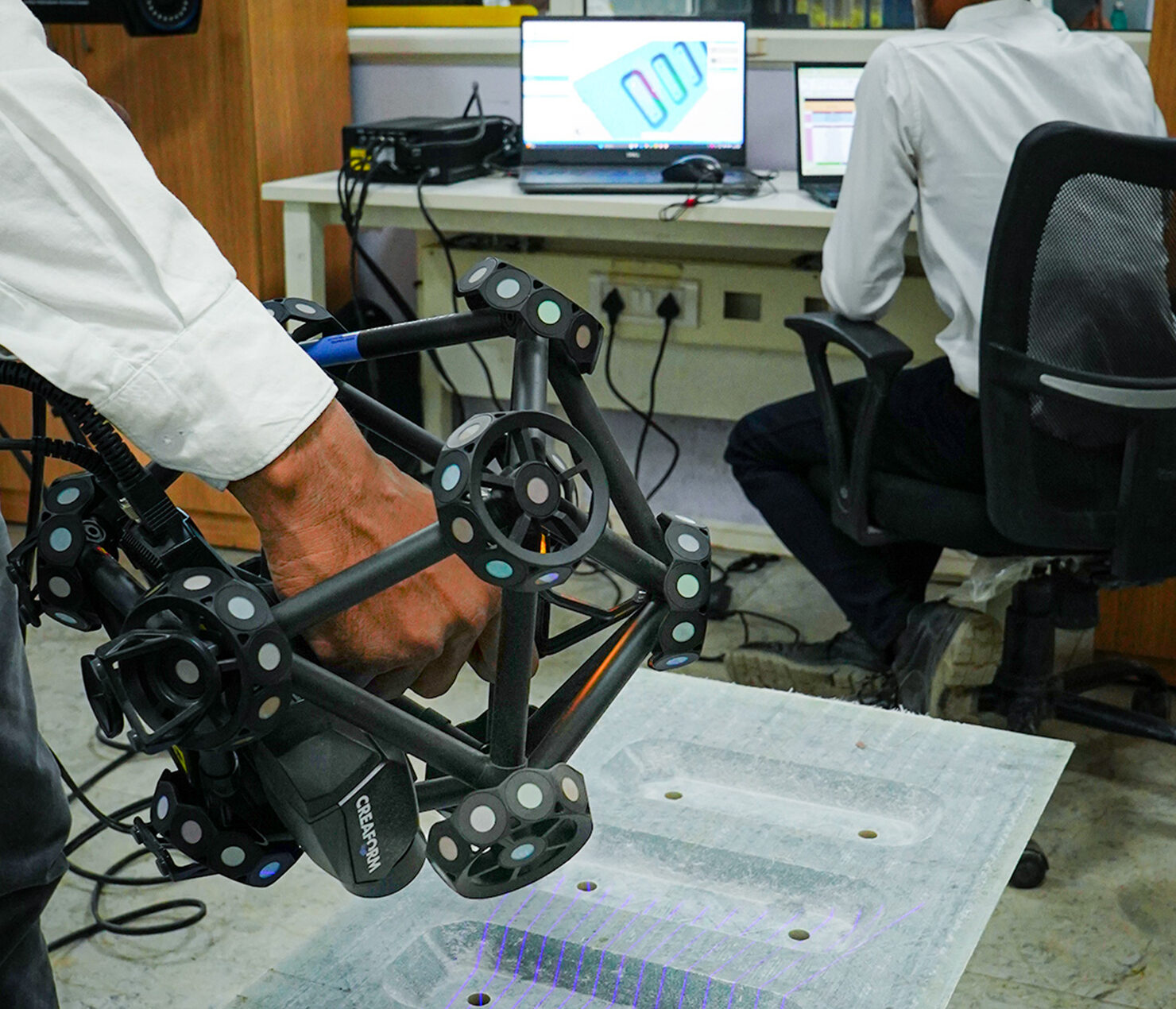
Reverse Engineering Capabilities
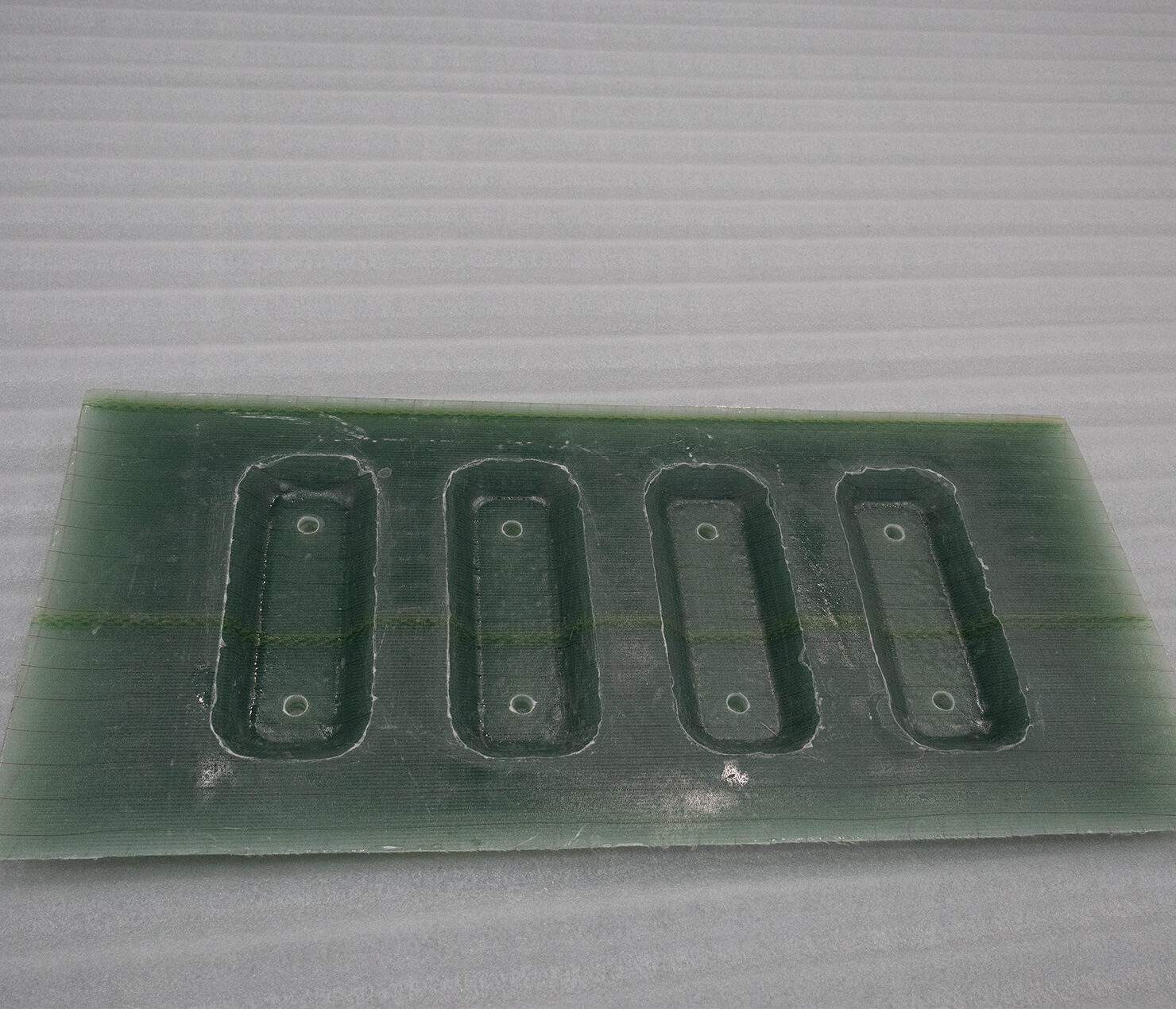
- 3D scanning & digital reconstruction
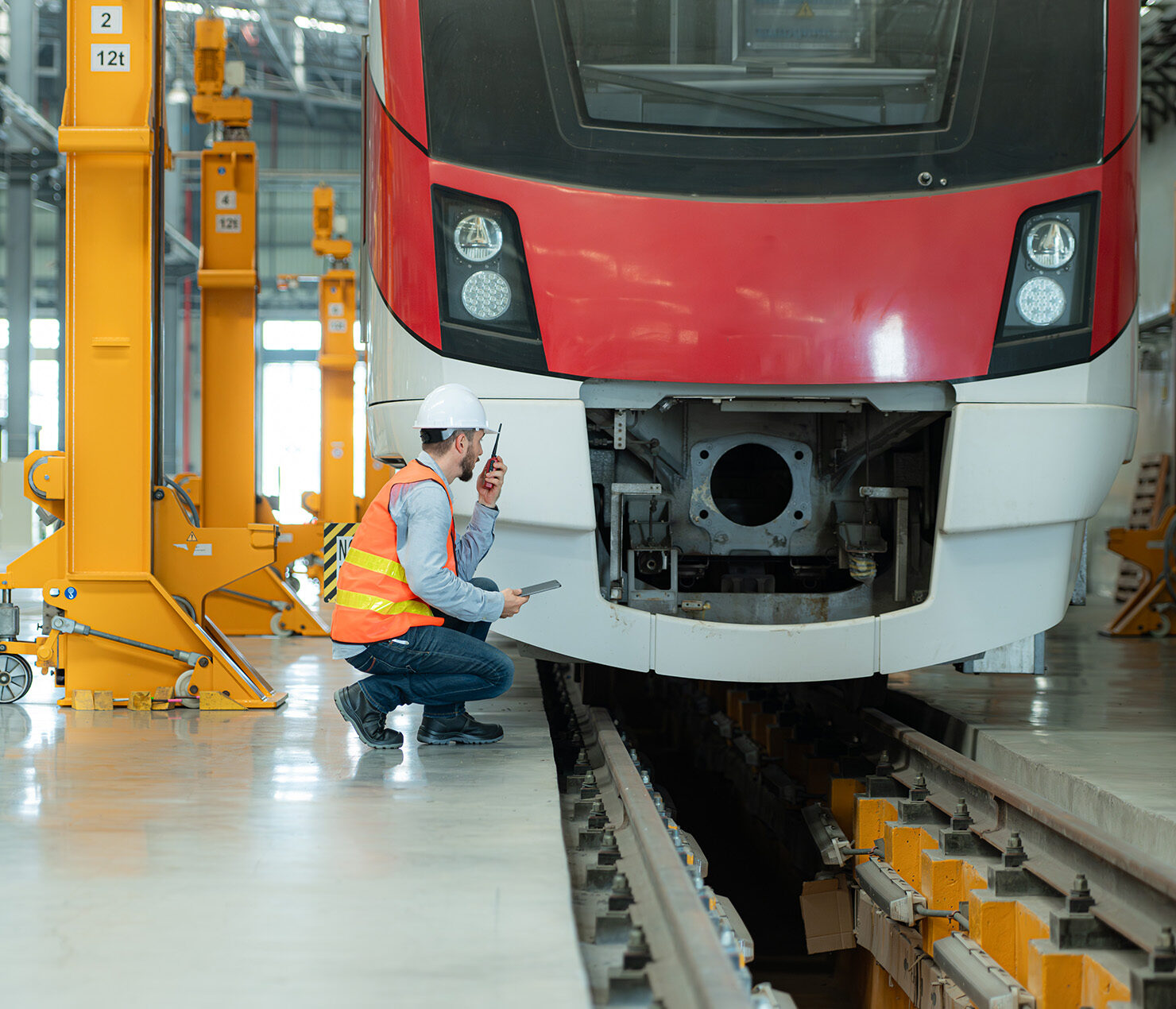
- Conversion of metal components to composite structures
- Performance improvements through redesign
- Lightweight solutions for automotive, wind, and aerospace applications
- Benchmarking supported by CAD/CAE validation
Process Engineering
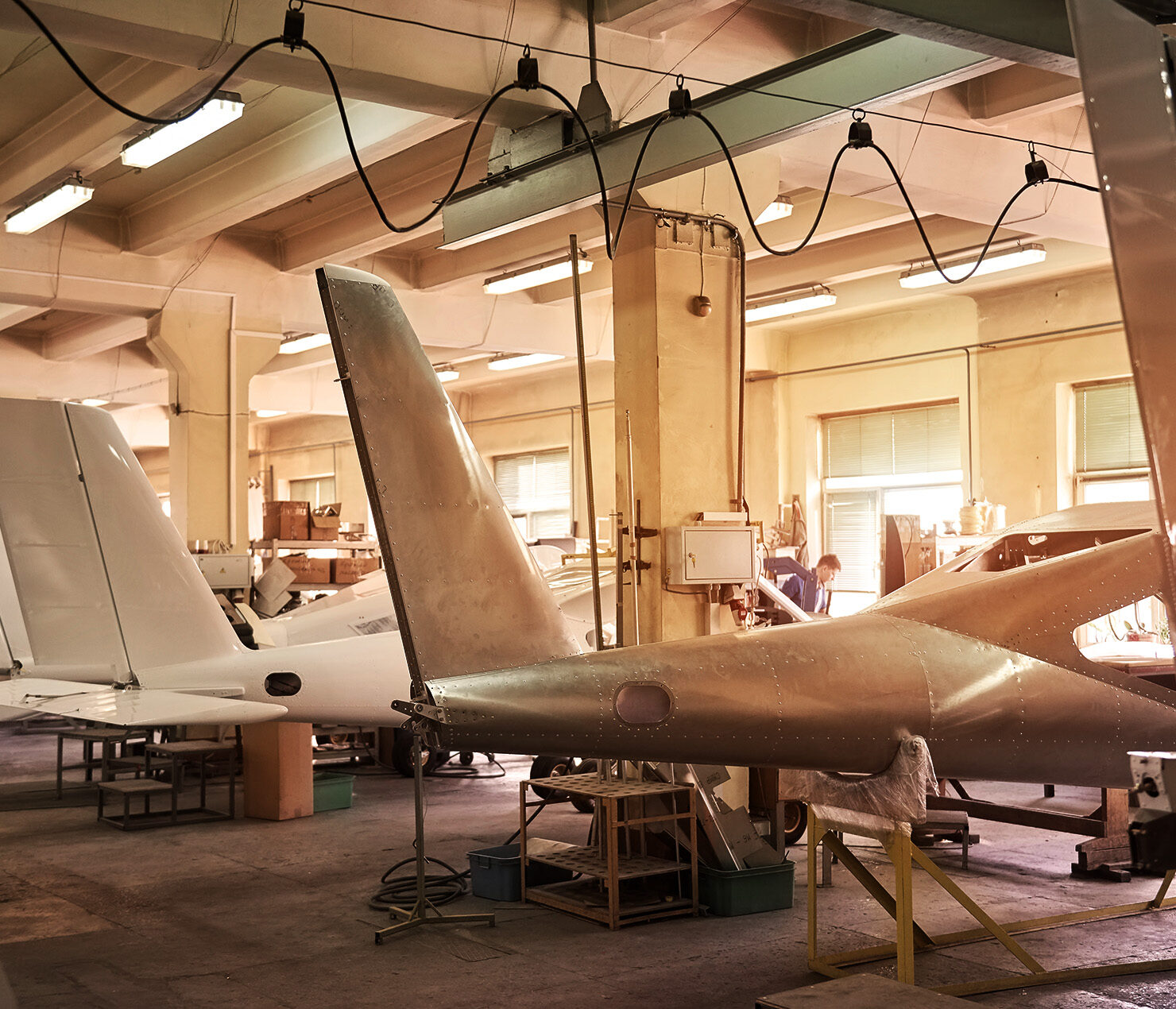

Expertise in Multiple Composite Processes
Key Steps
- Lay dry reinforcement & flow media (helping materials).
- Seal with vacuum bag.
- Apply & achieve vacuum.
- Infuse resin and cure.
Why VARIM?
- High fiber volume & uniform resin distribution.
- Low void content and better laminate quality.
- Cleaner process with minimal resin wastage.
- Suitable for large structures of moulds & products (of wind blades, spar caps, panels, CFRP & GFRP parts).
Best for
- Large, high-quality GFRP/CFRP parts needing consistent thickness and strength.
- Cost Effective
Key Steps
- Place dry reinforcement in mould.
- Close mould (rigid + flexible counter-mould).
- Inject resin at low pressure.
- Cure and De-mould.
Why LRTM?
- Smooth surface on both sides.
- Better dimensional control than VARIM.
- Low void content with controlled resin flow.
- Lower tooling cost.
Best for
- Medium-size, high-quality composite parts needing good surface finish on both sides.
- Cost Effective
Purpose: To explain stacked mould vacuum bagging and uniform pressure application.
An open lay-up process improved by vacuum, where resin-impregnated fibres are compacted using a vacuum bag.
Key Steps
- Wet lay-up on mould.
- Apply peel ply, breather & vacuum bag.
- Pull vacuum and cure.
Why Vacuum Bagging?
- Better fiber wet-out than hand lay-up.
- Reduced air voids and excess resin.
- Improved laminate strength and consistency.
- Simple and cost-effective.
Best for
- Low–medium parts needing better quality than hand lay-up.
Key Steps
- Lay prepreg plies on mould.
- Vacuum bagging.
- Cure in oven or autoclave.
Why Prepreg?
- Highest laminate quality & repeatability.
- Precise fiber/resin ratio.
- Excellent surface finish and mechanical properties.
- Minimal defects.
Best for
- High-performance aerospace, automotive & premium composite structures.